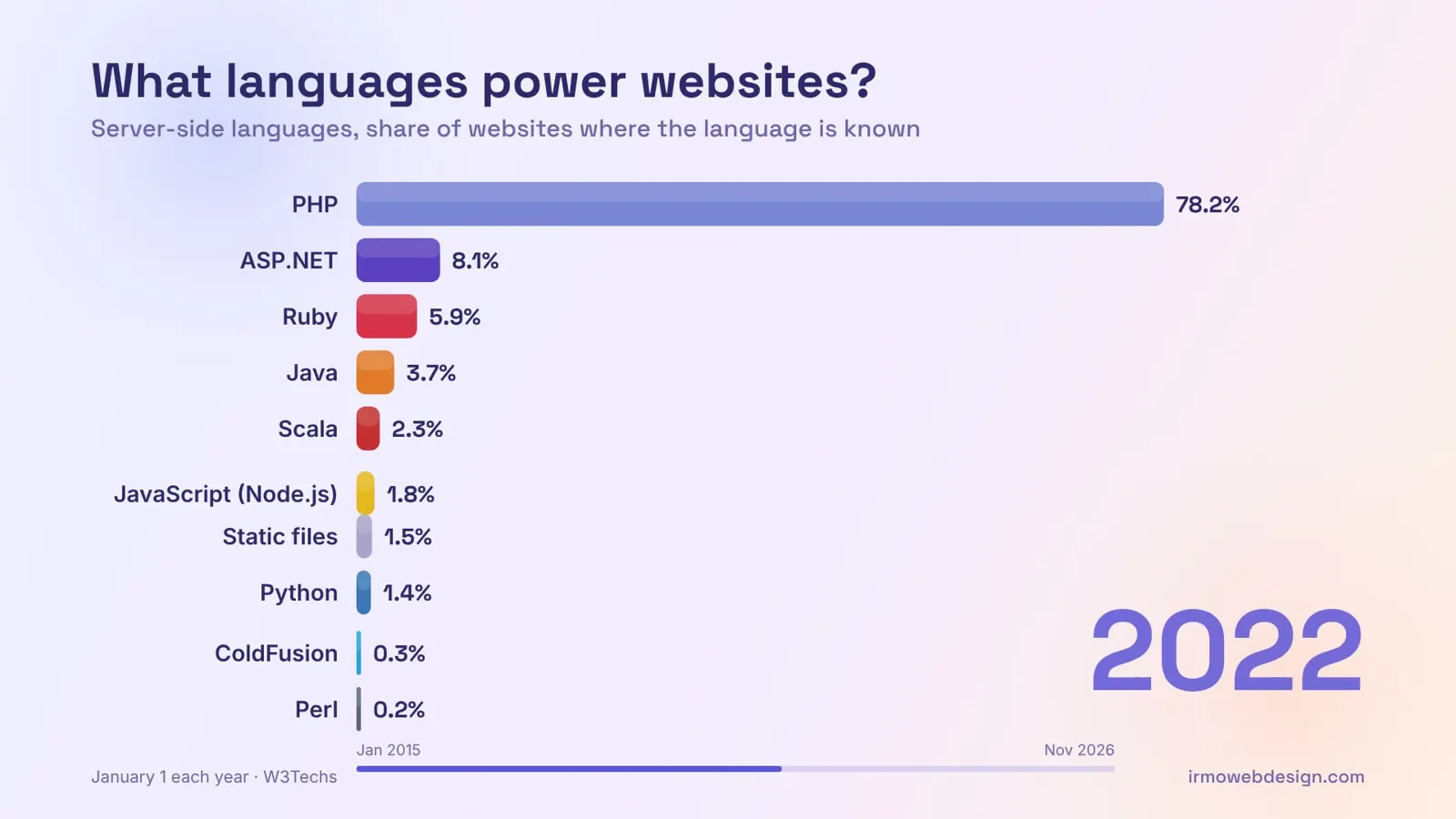
What Node.js means
Node.js powers frameworks like Next.js and many build tools. It lets teams use one language for both front end and back end.
Why it matters for your website
Node.js powers the build tools and servers behind many modern websites, including most React and Next.js projects. Using one language on the front and back end can make development faster and cheaper. Like any runtime, it needs updates to stay secure and supported.
Example
A delivery service uses a small Node.js app to receive online orders and send them to the kitchen's tablet. The same developer also builds the site's front end in JavaScript.
Tips
- Run a long-term support (LTS) version of Node.js for production sites.
- Audit your project's packages regularly for known security issues.
- Lock package versions so builds stay the same across machines.
Common mistakes
- Running an old Node.js version that no longer gets security updates.
- Installing lots of small packages without checking who maintains them.
Questions about Node.js
What is Node.js?
A runtime that lets JavaScript run on servers, not just in browsers.
Do I need Node.js to run a WordPress site?
No. WordPress runs on PHP. Developers may still use Node.js tools to build themes or blocks, but the live site doesn't need it.
What is npm?
npm is the package manager that comes with Node.js. Developers use it to install and manage code libraries for their projects.